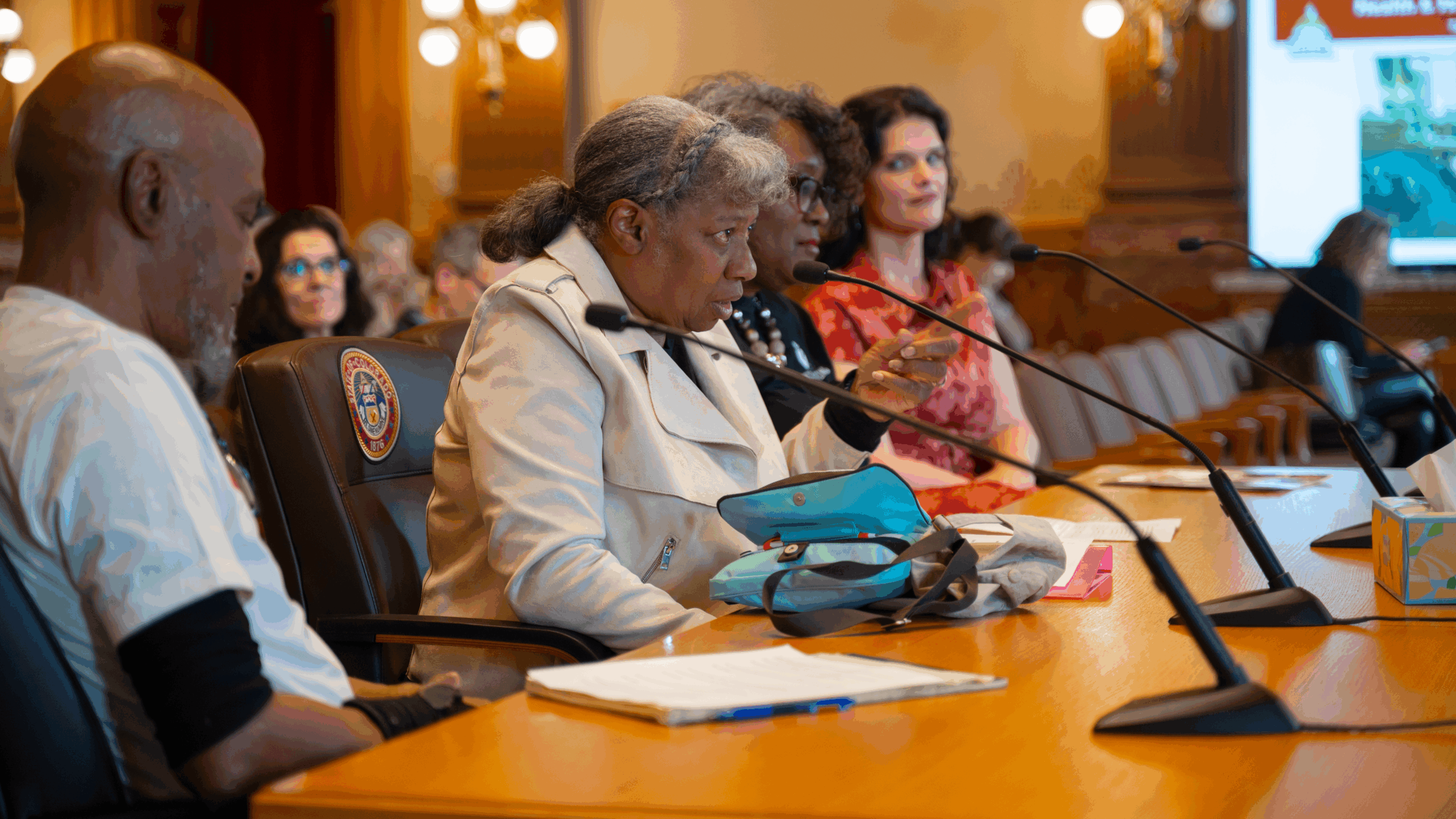
Webinar: Our Voice Telling Our Stories
Virtual Event
Join Metro Caring’s Hour of Power Summer Series to explore how community organizing helps shift power and address the root causes of hunger.
$25

Join Metro Caring’s Hour of Power Summer Series to explore how community organizing helps shift power and address the root causes of hunger.

Join Metro Caring’s Hour of Power Summer Series to explore how community organizing helps shift power and address the root causes of hunger.
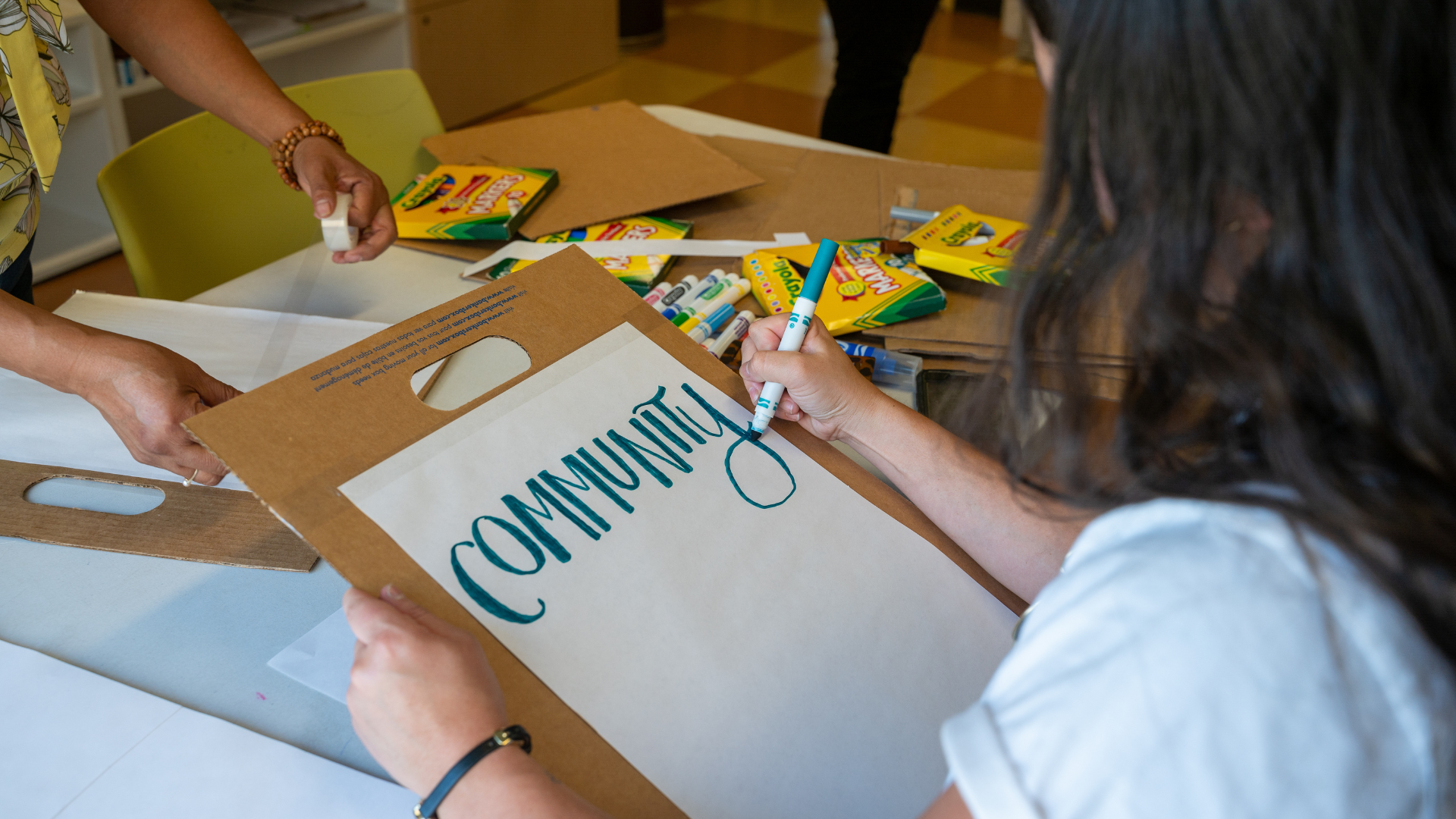
Metro Caring staff, volunteers, and partners are invited to join this special first look at Shifting Toward Solidarity, a new learning series rooted in our shared work and lived experience.

Scarcity changes how we think and how we serve. In a time when we are facing unprecedented scarcity, let’s understand it together.

This interactive webinar examines the differences between charity and solidarity, naming how transactional help can hoard power, moralize need, and reinforce dependency.

Our community faces challenges and systemic issues that are far bigger than any individual, organization, or single community. These challenges require co-created solutions, collective creativity, and action. But scarcity can paralyze our movement, isolating us while acting on our bodies and minds in a way that robs us of focus and capacity. Scarcity is about […]

This webinar presents a concrete, objective tool to evaluate everyday elements of service environments—seating, lighting, sound, scent, layout, and staff interaction—through a trauma‑informed lens.

The Power Shift training series focuses on reframing these dynamics by offering three interconnected lenses: shifting from charity to solidarity, redefining lived experience as a form of leadership, and practicing co-investment as a shared approach to change.

This webinar examines how systems, our websites, phone trees, intake processes, appointment systems, and policies shape people’s experience long before staff can demonstrate our values.

Join us for a webinar that shows how starting with community goals and investing in relationships and feedback loops yields clearer, more meaningful outcomes and impact documentation.
Build a shared understanding of scarcity so we can design responses that restore agency, dignity, and community leadership.