
By Brandon McKinley
Karely had never stepped foot in the Colorado State Capitol.
She wondered who would have to open the door to let her in. Would they ask why she was there? Did she need permission?
And then, she simply walked in.
After security checked her bag, she was standing among the busyness of the annual legislative session, when elected officials spend about four months each year in the Capitol writing, debating, and voting on new laws.
“It felt odd,” Karely said. “Like, wow, you can actually go in here? You can just walk in here? It felt really natural.”
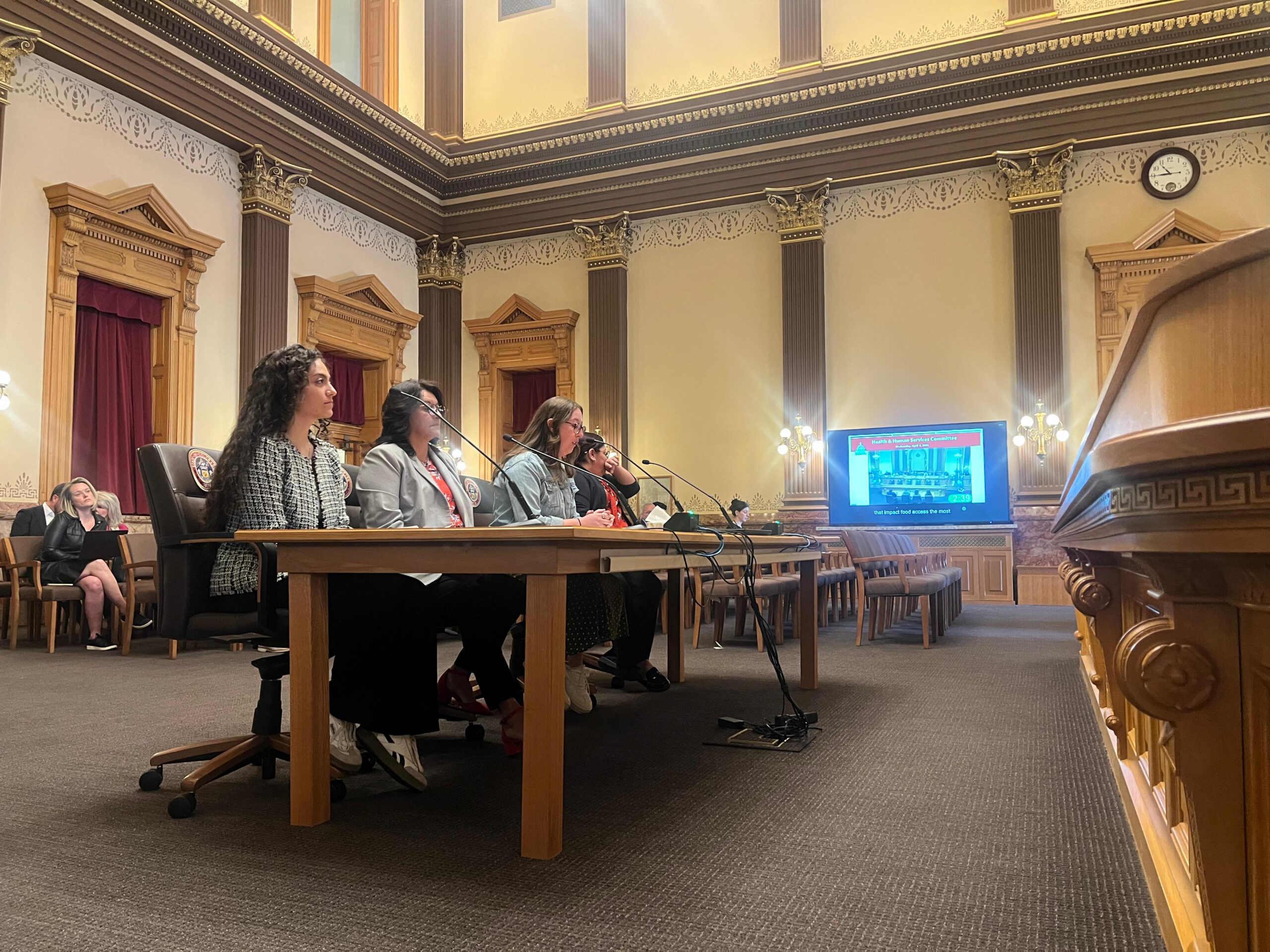
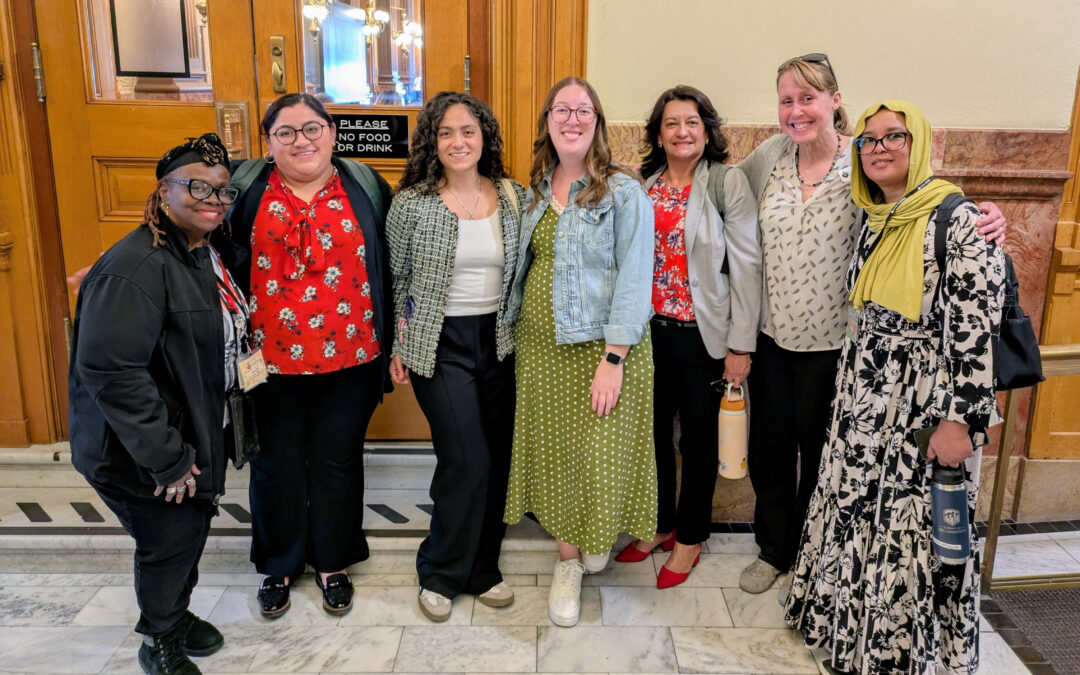
A nutrition educator and aspiring epidemiologist, Karely joined Metro Caring’s Community Organizing team and community leaders to testify in support of a bill to make kidney screenings considered preventive treatment and therefore free for all Coloradans.
“Kidney screenings and tests like it can be very pricey,” Karely said, “and they're not widely covered by most insurances, so it makes it really difficult.”
In addition to her professional experience, Karely also understands the challenge personally. Her dad has lived with diabetes for nearly a decade and needs regular kidney checks. Karely has watched screening bills pile up during gaps in his Medicaid coverage.
“When I first heard about this bill, I thought it would be a big win for Coloradans,” Karely said. “Kidney screenings are not actually that costly for hospitals. In the long run, catching the disease at an early stage is going to save patients and hospitals a lot of money. It's a win-win for people's rights and for hospitals to cut costs.”
The bill to make kidney screenings free was among nine bills that Metro Caring’s community decided to advocate for this legislative session.
Empowered to share a story
Karely is no stranger to giving speeches. As a youth nutrition educator and a recent Metropolitan State University of Denver graduate, she has given plenty of presentations and delivered dozens of lessons. But she said that testifying felt more vulnerable and personal than other presentations she’s given.
Last year, Karely joined Metro Caring’s Voices at the Table program, a free training series that invites community leaders to practice sharing their stories in a compelling way to create change.
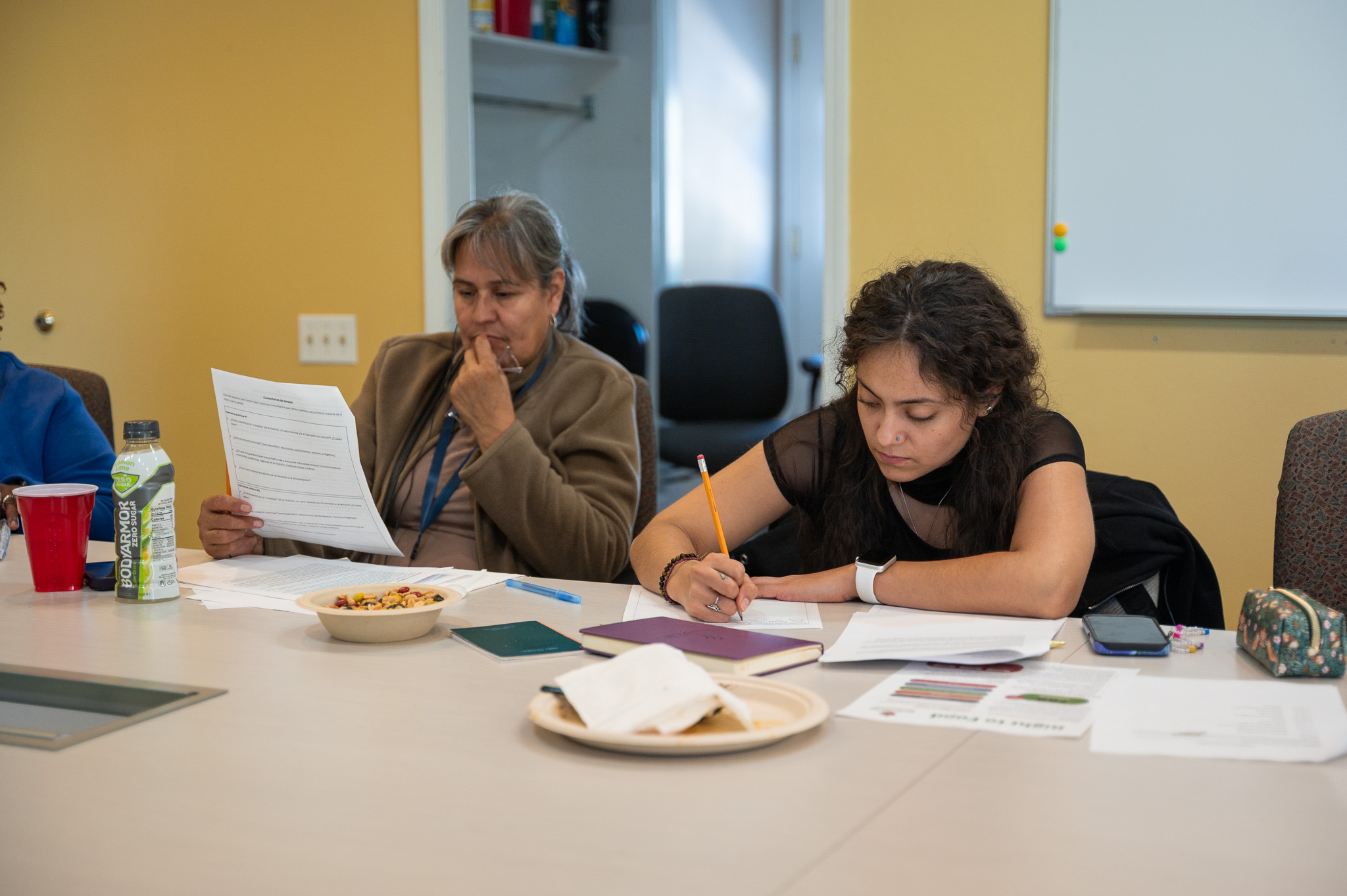
She said the program was a helpful stepping stone in preparing for testimony at the Capitol.
“I think it taught me how to tell a story more concisely without too much fluff,” she said.
As she entered the Old Supreme Court room to testify, she said she felt nervous but prepared thanks to help from Metro Caring Community Organizer Madison DeBruyne.
“My hands were sweaty,” she said. “But I was already really well prepared. I went over my speech with Madison. I felt comfortable with the Metro Caring team. It was nice to be with people who had experience in the state Capitol to tell you what's going on.”
In the end, the bill passed the committee unanimously, 7 to 0. It later became law after several floor votes and the governor’s signature. Guaranteed coverage for kidney screenings will begin for large employer healthcare plans in 2027 and for others in 2028.
“I think it's important for us to share our stories because people in higher power sometimes forget the everyday struggles common people are going through,” Karely said. “I felt empowered. Sometimes it just takes one little story or one fact that really impacts them.”
Improving healthcare for Black mothers
Metro Caring’s community also chose to support a bill to improve Black maternal health. Black parents are three to four times more likely to experience life-threatening situations during childbirth than white parents. The bill would start to address this disparity in Colorado by introducing cultural competency and continuing education training for healthcare providers.
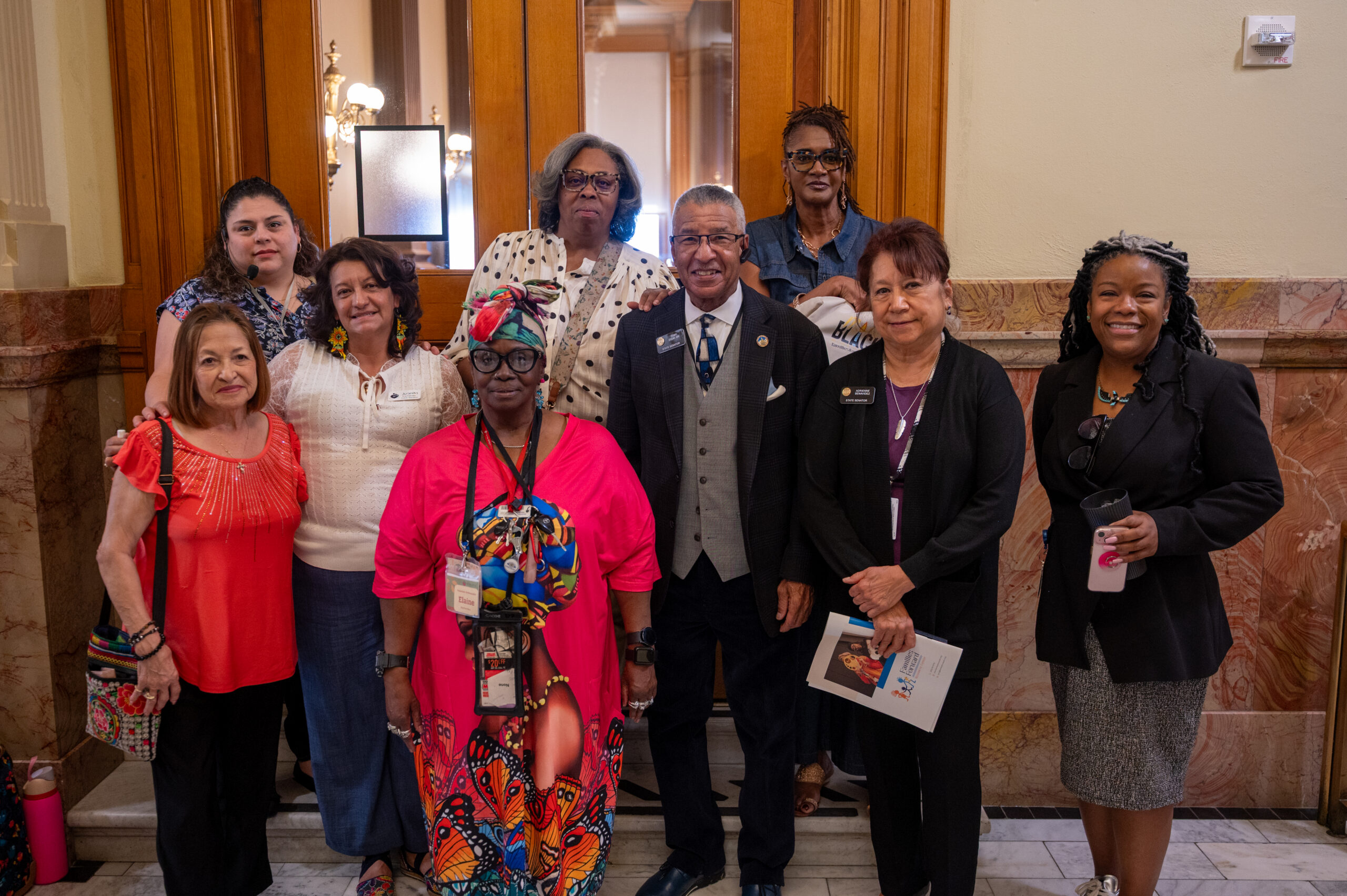
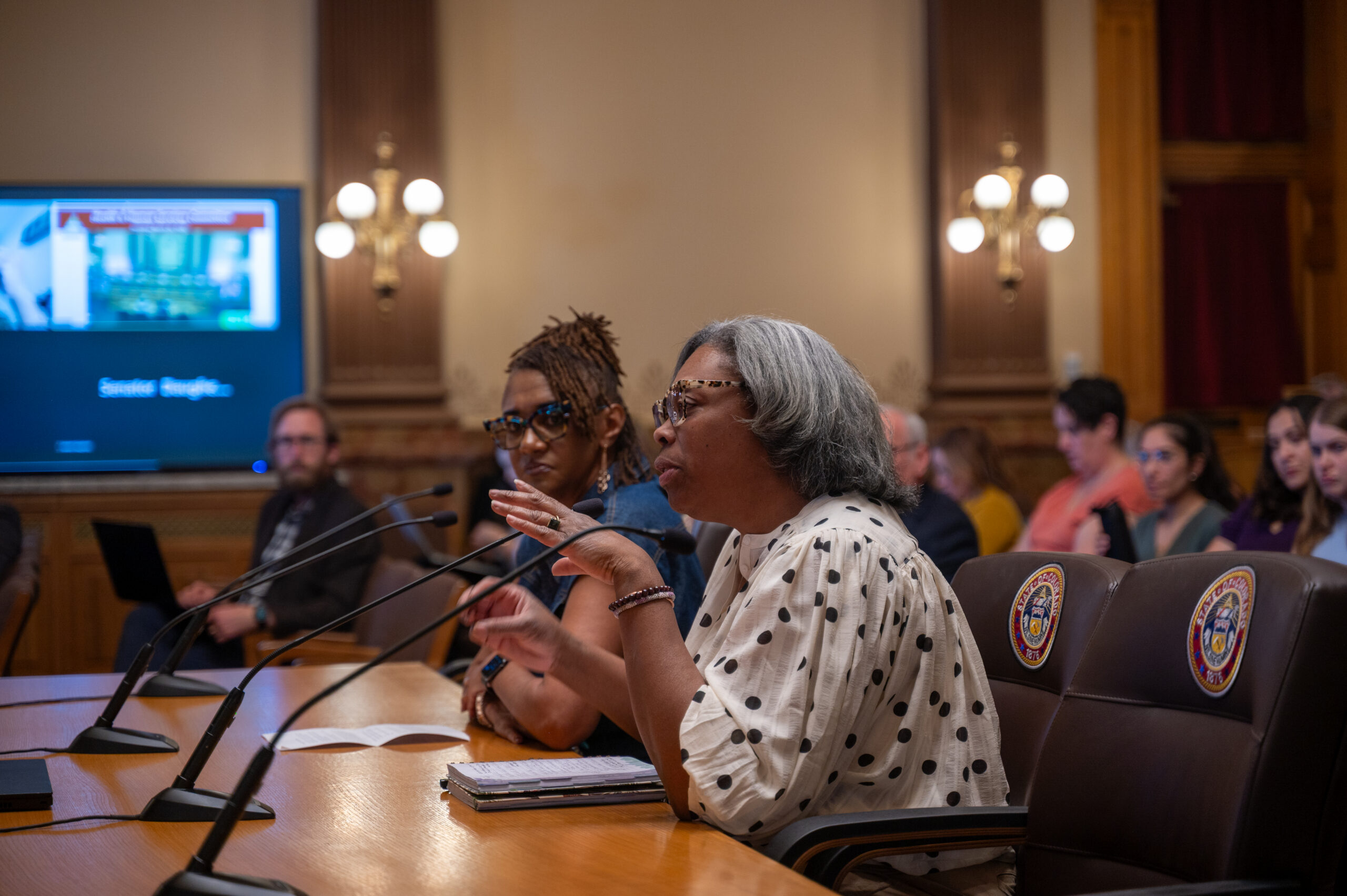
Elaine—a healthcare professional, mom, and Metro Caring volunteer—gave her first-ever testimony in support of the bill.
“I was a little nervous,” Elaine said. “But I was also excited. I felt compelled to be challenged.”
Elaine said preparing for her testimony with Metro Caring’s staff and fellow volunteers really helped her focus on the most compelling elements to deliver in the two minutes she was allotted.
“I didn’t want to rehash the data about the morbidity rate and everything else,” she said, “but I did want it to be clearly known that something needs to be done so that doctors and nurses and anyone in the healthcare system treats everyone with dignity and respect.”
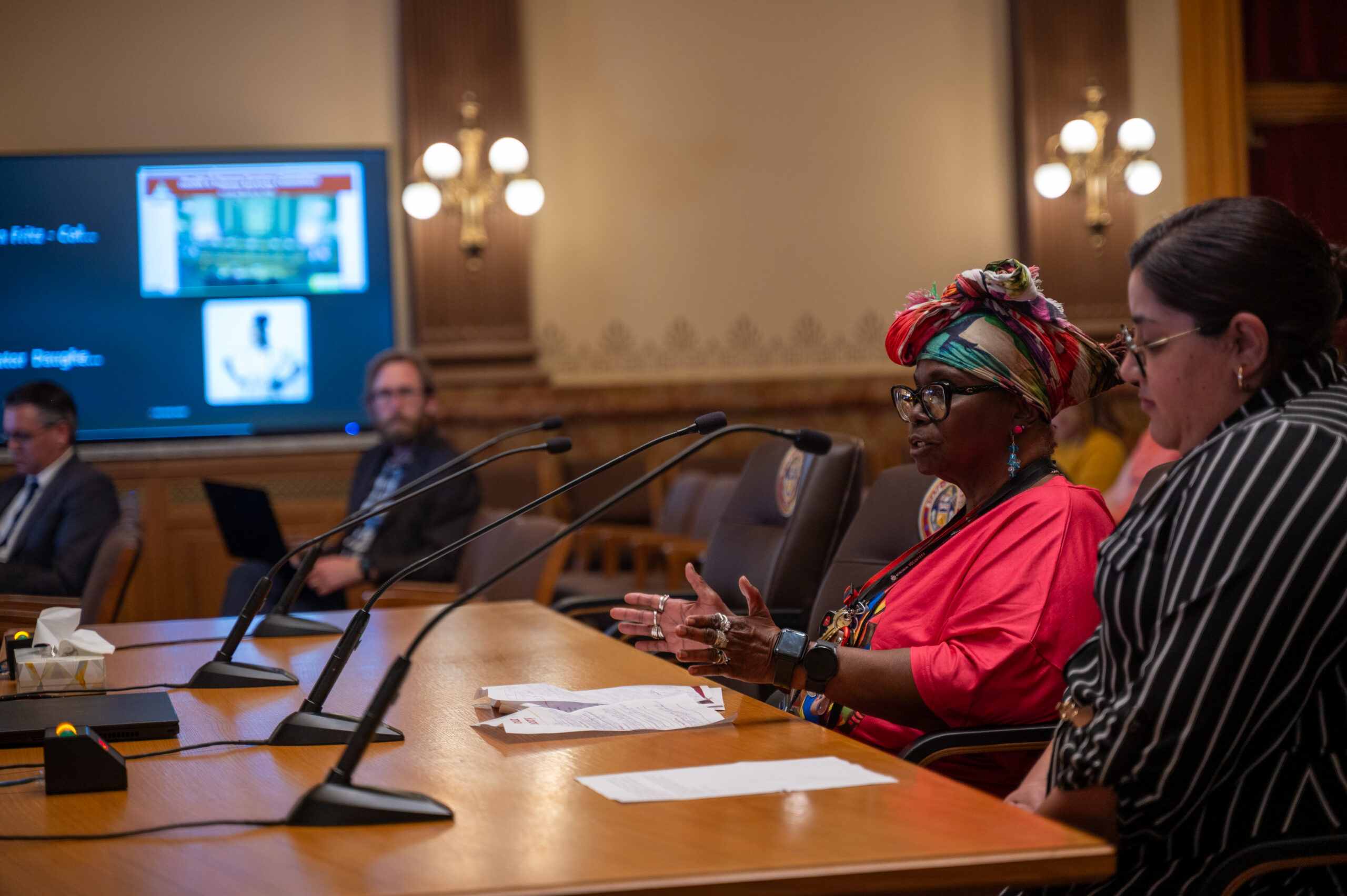
Another mom and volunteer, Deronn—better known at Metro Caring as Miss Ronnie—also testified in support of the bill.
“I just thought it was critically important to come with the Community Organizing team and testify because I know what my lived experiences are as a Black woman who has given birth,” Deronn said. “I just want lawmakers to know that they've got to listen to us. They've got to pay attention, you know? Or else more women are gonna die. I want to try and prevent that in any way that I can.”
Elaine and Deronn both testified twice, when the bill appeared in House and Senate committees. The bill passed its committees and the full chambers, becoming a law that will begin parts of its implementation this year.
“I felt powerful,” Elaine said. “I felt like there was nothing we can’t do together.”
Deronn was happy it passed too and still knows that there is more to do. She hopes to see future improvements and additional bills strengthen protections for Black mothers.
“I want to beef up the Black maternal health bill so that when Black folks go into the hospital, they are seen and treated like a human being,” she said.
She also hopes to see more people join Metro Caring at future legislative sessions.
“This is lifelong work that never ends,” Deronn said. “You’re missing out on seeing the work that you’re doing in community come to fruition.”
Our most engaged legislative session in years
Another high priority bill for Metro Caring’s community was to expand the Cottage Foods Act, which currently allows people to run food businesses out of their home kitchens.
Faced with the challenge of a state budget deficit, dozens of Metro Caring volunteers, food entrepreneurs, and staff members testified, sent emails, and made calls to legislators to get this bill across the finish line.
The expansion bill, also dubbed the Tamale Act, will allow people to prepare and sell hot and temperature-controlled foods—like tamales, sandwiches, pasta salads, and cold desserts—out of their home kitchens starting in 2027. This expands economic opportunities for small food business owners, without the need for high-cost commercial kitchens.
In total, six out of the nine bills Metro Caring’s community backed in the 2026 session passed.
“This was one of our most engaged legislative sessions since the pandemic,” said Metro Caring Community Organizer Madison DeBruyne. “None of these wins would have been possible without our community’s brave storytelling and powerful advocacy.”
Karely said she feels like she did something meaningful.
“It feels good, especially because I feel like my generation sees how horrible things are in the world, and we’re constantly talking about it to each other,” Karely said. “But it feels good to actually do something about it, to use your voice. That's what I really like about being part of Metro Caring. It's a way to do something, and Metro Caring gives you the resources and opens the door. We have everything here for you. You just have to walk in.”