By Brandon McKinley, Brizai Gomez Cortes, and Madison DeBruyne
Colorado’s state legislature is back in session, and Metro Caring’s directly impacted community leaders chose a slate of bills to support this year.
State laws can significantly improve our lives in Colorado and help protect and fulfill our right to eat the nutritious foods we know, love, and need.
Last year, Metro Caring supported bills like the Diabetes Prevention Act, which will require insurance companies cover treatment, education and prevention programs, medical nutrition services and more to prevent type 2 diabetes. When we all have access to quality healthcare, we are less likely to have to choose between paying for a doctor’s visit and groceries.
Unaffordable healthcare is one of five issue areas that our community determined as the biggest drivers of hunger. These root causes of hunger guide our legislative priorities:
- the corporate food system
- unaffordable housing
- inadequate public benefits
- inadequate access to healthcare
- the racial wealth gap
An agenda led by community
To decide our legislative agenda for 2026, our Community Organizing team invited community leaders to learn about over a dozen bills that fit within our five issue areas.
Everyone voted to determine which bills were most important for Metro Caring to endorse and support throughout the legislative process.
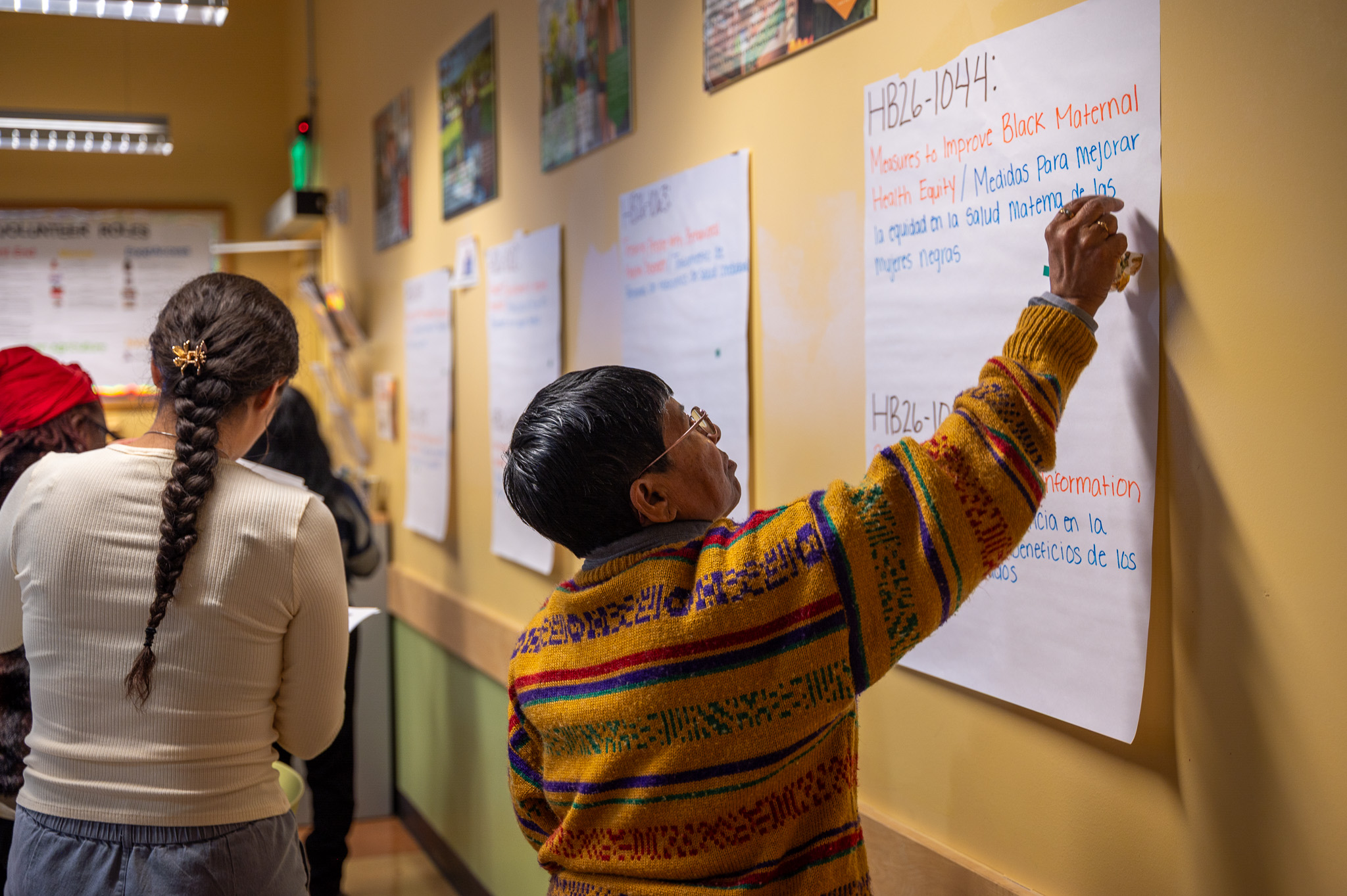
Community leaders vote on bills for Metro Caring to prioritize and endorse during the 2026 legislative session.
This year, our community has endorsed seven bills. While this does not cover every bill that would have a positive impact in our community, it is where we will focus our efforts in preparing testimony, talking with lawmakers, and engaging our community.
2026 Legislative Agenda
Expanding the Colorado Cottage Foods Act
Issue Area: The Corporate Food System
Allows people to prepare and sell refrigerated and meat-containing foods—like tamales, burritos, and tortas—from home kitchens. Removes the $10,000 annual revenue cap for producers.
Why It Matters: Increases income opportunities and contributes to community food system resilience, which helps families access food with dignity.
Measures to Improve Black Maternal Health Equity
Issue Area: Inadequate Access to Healthcare
Requires providers who work in obstetrics (pregnancy, childbirth, and postpartum) to complete education on cultural competence and equity in maternal care.
Why It Matters: Improving maternal healthcare would create healthier outcomes for families and reduce the risk of food and housing insecurity.
Kidney Screening Mandatory Preventive Care
Issue Area: Inadequate Access to Healthcare
Requires health insurance plans to fully cover kidney health screening as a preventive service, meaning patients would not have to pay out of pocket for these tests.
Why It Matters: Early detection of kidney issues supports health outcomes and enhances the impact of Metro Caring’s nutrition and diabetes classes by helping families stay healthy and stable through affordable preventive care.
Housing Developments on Qualifying Properties
Issue Area: Unaffordable Housing
Allows housing to be built – through a simpler, administrative approval process – on certain small properties owned by nonprofits, schools, colleges, housing authorities, or transit agencies. The housing can also include things like childcare and community services if those uses are normally allowed in the area.
Why It Matters: Increasing the supply of residential development supports housing affordability and stability, helping reduce the pressures that contribute to food insecurity and economic hardship. (This bill would not aid or impede Metro Caring’s vision to add affordable housing to our property due to other zoning rules.)
Mental Health Access
Issue Area: Inadequate Access to Healthcare
Expands access to adult mental health to reduce barriers to care, increase early access to mental health support, and improve statewide mental health outcomes.
Why It Matters: Improved access to supportive care helps individuals maintain stability, which supports consistent food access and reduces crisis cycles.
Sterilization Rights of Persons with Disabilities
Issue Area: Inadequate Access to Healthcare
Requires counseling on the long-term impacts of sterilization and alternatives, restricts sterilization without a person’s will except in limited cases involving immediate risk to life or health, and strengthens court procedure requirements.
Why It Matters: Ensuring informed, respectful healthcare decisions supports dignity and equitable treatment for household stability and well-being.
Protections for Residential Tenants
Issue Area: Unaffordable Housing
Updates eviction procedures, court record practices, and rent payment requirements. Requires landlords to provide clearer documentation when filing eviction actions.
Why It Matters: Reducing unfair evictions supports housing stability, which in turn helps families maintain access to food and meet basic needs.
Shaping the bills with community feedback
In the discussions, our community brought forth questions and ideas about the bills.
For example, expanding the list of homemade foods that can be legally sold through the Cottage Foods Act could create increased opportunities for small food entrepreneurs and cottage food producers. However, it would also require people to list their home addresses on labels for transparency and food safety. That requirement could create a safety risk, predominantly for women, survivors of domestic violence or gender-based violence, and others operating businesses out of their homes due to economic necessity.
Just like lawmakers will discuss and debate the bill’s initial draft, we are bringing concerns and questions like these directly to the lawmakers who are sponsoring the bills and proposing ideas from our community. For Expanding the Colorado Cottage Food Act, we are sharing ideas like keeping addresses in a confidential database only for regulators or allowing mailing addresses—like P.O. boxes or a registered business address—in place of home addresses.
We are also discussing these bills with partner organizations to hear their ideas, thoughts, and concerns. As we learn more about how the bills could be implemented, we can support our community in sharing their ideas, concerns, and stories.
Want to get involved? Subscribe to our Action Alert emails or reach out to a member of our Community Organizing team.
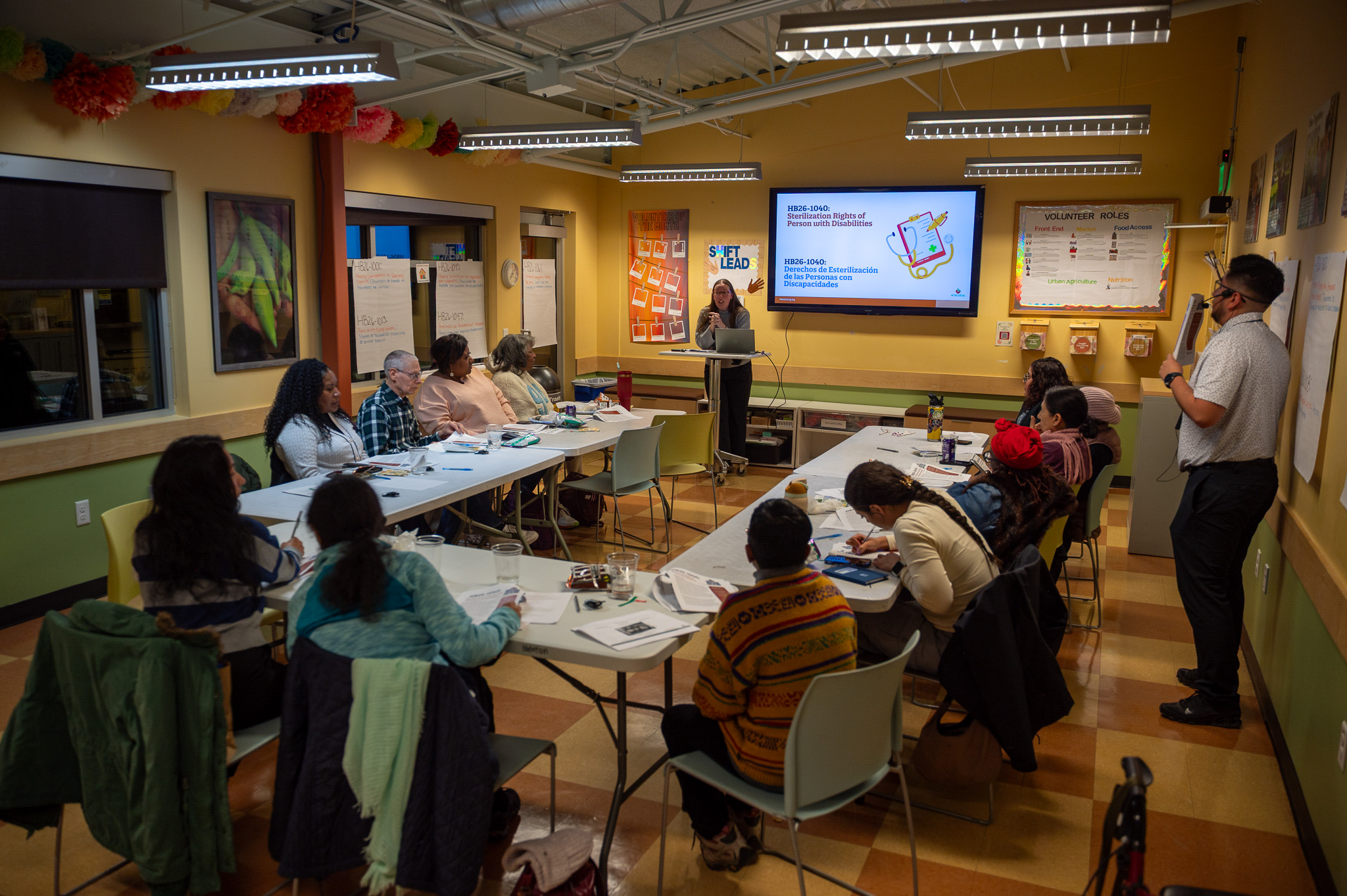
Community leaders learned about 14 bills that fall within Metro Caring's root cause focus areas before voting on which ones to prioritize and endorse.